
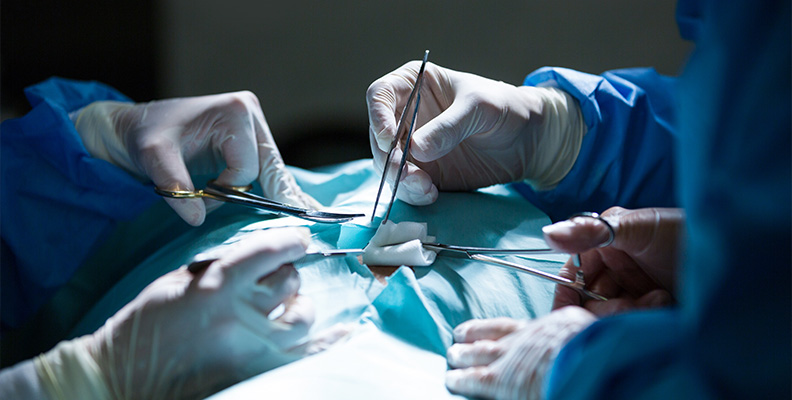
Laparoscopic (Closed) Surgery and Its Benefits in Children
Laparoscopic surgery, known as 'closed surgery' among the public, is a modern surgical method performed with the help of a camera by entering through millimetric holes instead of large incisions in the abdominal region. Today, many operations in pediatric surgery can be performed safely with this method.
Which Surgeries Can Be Performed with the Closed Method?
In children, appendicitis, undescended testis, inguinal hernia, kidney and gallbladder surgeries, and gastroesophageal reflux surgery are successfully performed with the laparoscopic method.
Small surgical holes eliminate aesthetic concerns, especially in growing children, and minimize the risk of adhesions that may occur in internal organs.
Advantages of the Method
- Less Pain: Since the incision is minimal, postoperative pain is much lower.
- Rapid Discharge: The duration of hospitalization is shortened, and children return to school and play life quickly.
- Excellent Vision: The camera system allows the surgeon to see the area much more detailed and enlarged.
- Aesthetic Result: After a few months, the scar becomes almost unnoticeable.
If your child has a surgical need, it is recommended to get information from an expert pediatric surgeon about the suitability of laparoscopic options.